

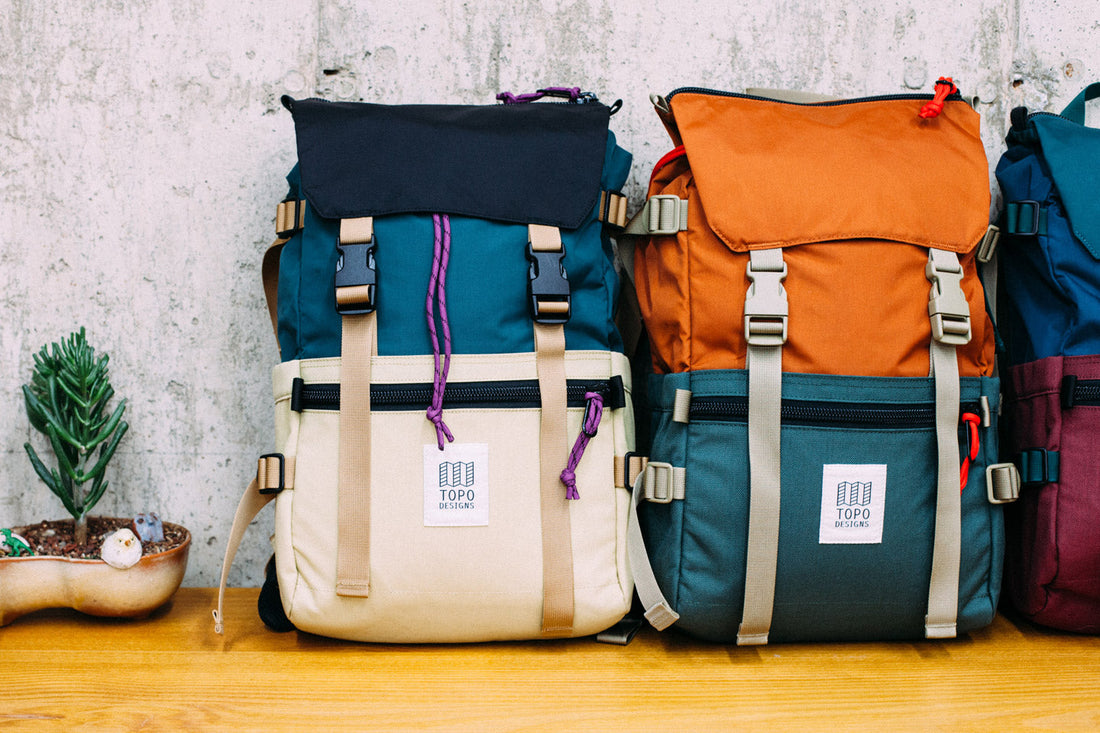
How to Wash a Backpack
A backpack is a must-have for outdoor exploration. The compartments, pockets, and pouches provide convenient storage for sunscreen, trail mix, navigational tools, and other essentials. Even weight distribution eliminates back and shoulder strain, so you can easily navigate any obstacle.
Backpacks see a lot of action, making it necessary to give your go-to travel companion a gentle scrub down occasionally. Whether your backpack is muddy or minimally stained, follow our advice on how to wash backpacks to restore yours to its like-new condition.
How to Clean a Backpack Without Damaging Materials
Shake Out Crumbs & Address Surface Grime
Start by checking the manufacturer’s label for special instructions on cleaning the specific material. Remove the detachable compartments and pouches, then turn the empty backpack upside down and inside out to remove crumbs and debris wedged inside the seams and crevices. Next, take a dry, soft-bristled brush — a toothbrush works wonders — to remove loose dirt and minor stains.
Soak the Backpack
If the bag requires a deeper cleanse, fill a sink or bathtub with lukewarm water and add a few drops of a cleaning agent.
How to wash a backpack properly depends on what you use. Resist the urge to grab whatever’s in your cleaning cupboard, such as bleach, fabric softeners, or laundry detergent. Potent formulas leave residue behind, corrode adhesives and seams, and weaken protective treatments like water-repellent coatings and waterproofing features. Stick to mild, non-detergent soap to avoid these concerns.
Submerge the backpack in soapy water and gently scrub the material using a soft cloth. Once satisfied with the wash, thoroughly rinse your backpack. Getting rid of the lingering soap is vital because the residue attracts dirt — undoing your hard work.
Let the Backpack Dry
It might seem faster to toss the backpack in the dryer; however, the concentrated heat can melt adhesives, cause significant shrinkage, and damage the materials. To keep your backpack in top condition, hang it upside down in a well-ventilated area away from direct heat and sunlight, which can fade the fabric.
Reapply Treatments (if Necessary)
Now, even with a soft touch, the wash might have taken its toll on the backpack’s waterproofing system. Luckily, there’s a solution for that, too. Reapplying water-repellent treatments can help restore your backpack’s water-resistant properties — even if the bag’s seen a lot of rain, dirt, and damage in its time.


How to Wash Your Backpack’s Components
Gear Loops
Gear loops are built tough but need proper cleaning to ensure peak functionality. Use a small brush to remove dirt from the attachment points — keeping an eye out for damage or fraying that might compromise the connections. The reinforced stitching is a magnet for dirt and dust, so investigate and clean these structural elements. Use a firm-bristled brush if a toothbrush can’t stand up to the stitching.
If the backpack has fabric loops, inspect them for UV damage (typical for backpacks with extensive outdoor use) and other signs of wear and tear. For metal loops, check for corrosion and apply a light glazing of metal protectant if necessary.
Straps
Backpack straps, worn over your shoulders or across your waist, absorb sweat, oils, and dirt. A soft brush should do the trick, but some stains are stubborn. Mix water and baking soda into a paste to tackle tricky stains. Allow the mixture to sit on the stains for roughly 30 minutes1 before rinsing it off.
As always, avoid scrubbing too hard, which can weaken the material. Periodically flip the straps to ensure even drying while eliminating trapped moisture to prevent mildew.
Zippers
Zippers are prone to collecting dust and dirt, so they typically malfunction when improperly maintained.
Rub off the debris with a small brush before washing the backpack. Once everything is dry, apply silicone-based lubricant2 along the zipper teeth. Move the zipper up and down a few times to distribute the lubricant evenly.
The liquid helps the zipper effortlessly glide and also helps prevent corrosion. If you do notice corrosion, mix white vinegar with hot water and apply it to the affected areas. The acidic vinegar dissolves corroded plaque while the water dilutes the vinegar to prevent further zipper damage.
As a side note, don’t use oil-based lubricants because the liquid attracts dirt3 — leading to more cleaning, much sooner.
Remember, Prevention Is Better Than Replacement
Cleaning your backpack after hiking, camping, kayaking, and other activities will maintain its structural integrity and functionality. If you’re wondering what specific solutions to try, Nikwax® products are lifesavers. The company’s sustainable cleaning solutions work well with Cordura and other outdoor fabrics we use to create our durable backpacks.
When you’re ready for a new backpack, check out our collection to find the right fit for your needs.
1. Massimilian, T. (February 7, 2025). Using Baking Soda to Remove Stains: Do’s and Don’ts. Vella. Retrieved February 26, 2025, from https://vellaclean.com/blog/how-to-remove-stains-with-baking-soda/
2. (February 18, 2023). How to Lubricate a Zipper (5 Solutions). Zipper Shipper. Retrieved February 26, 2025, from https://zippershipper.com/blogs/blog/how-to-lubricate-a-zipper-5-solutions
3. Silicone vs Oil-Based Lubricants: Which One Is Better? Lock Saver®. Retrieved February 26, 2025, from https://locksaver.net/silicone-vs-oil-based-lubricants-which-one-is-better/
